ServicesNon-Reflective Window Film
Non-Reflective Window Film in Seabrook
Non-reflective film cuts heat, glare and UV without turning your windows into mirrors. From the street, the glass looks close to how it does now. Inside, the view stays clear. We install it, then check back once it cures to show you how to care for it.
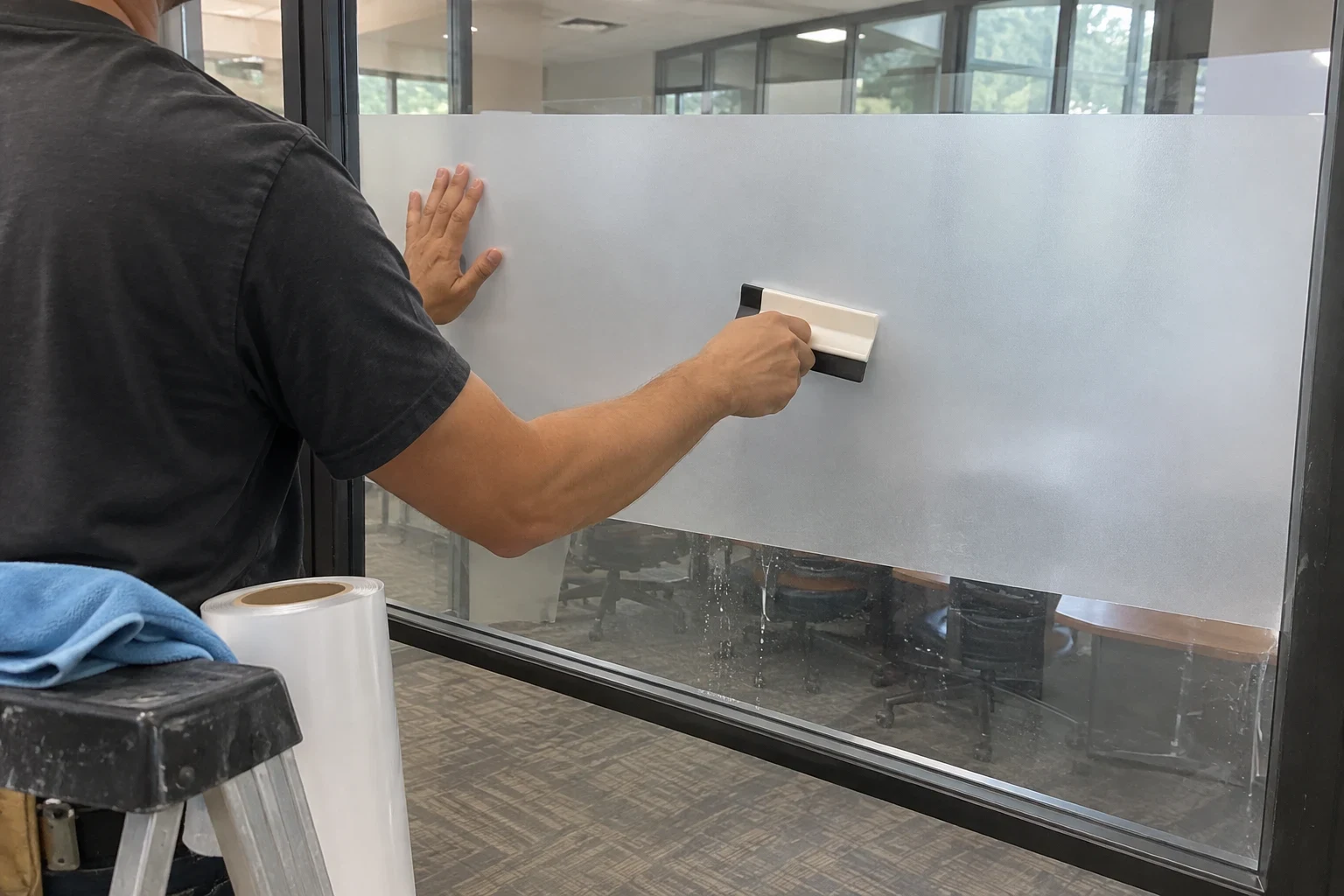
Cooler rooms, glass that still looks like glass
Some people want less heat and glare but don't want shiny windows. Maybe it doesn't suit the house. Maybe the HOA has rules about it. Maybe you just hate seeing your own reflection at night. Non-reflective film is made for that. It keeps reflectance low inside and out, so the glass looks like plain glass with a slight tint.
Most non-reflective films use ceramic or carbon layers to stop heat, not a metal coating. That's what keeps the shine down. They still block nearly all UV, which slows fading on floors, rugs and furniture. On a west window in the late-day Gulf Coast sun, that matters a lot.
One trade-off up front: low reflectance means little daytime privacy. If you want people outside not to see in, our Privacy Window Tinting or Reflective Window Film pages cover better fits. We'll tell you plainly which one suits your windows.
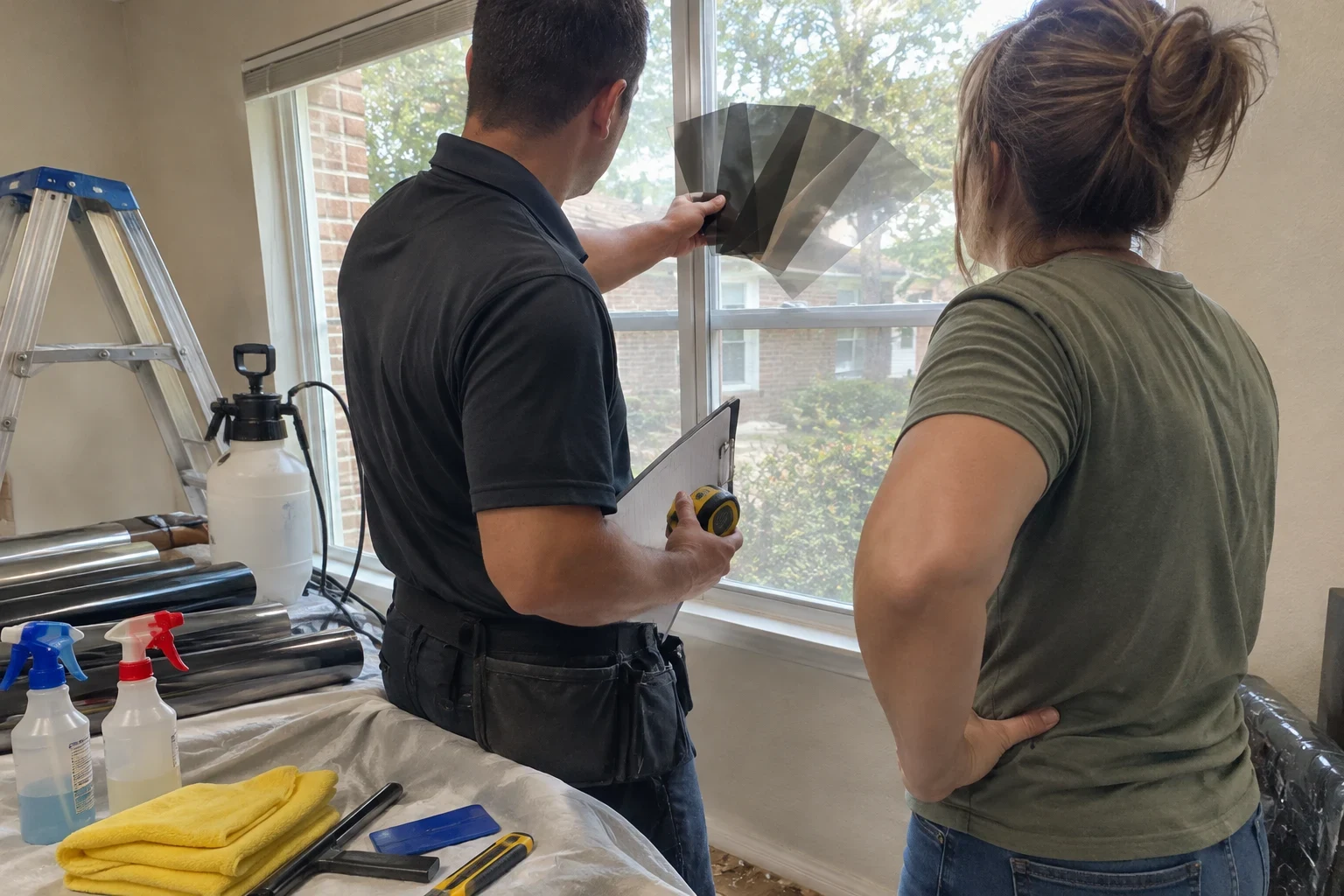
What the job includes
- 01
A look at your glass first
We check whether each window is single or dual pane, tempered, or low-e coated. Some films can put thermal stress on certain glass. We match the film to the glass so it's safe to install.
- 02
Samples on your actual windows
We hold film samples up to your glass in your light. You see how it looks from inside and from the yard before you decide.
- 03
Careful prep and install
We clean each pane, scrape off grit and paint specks, and trim the film to fit tight to the gasket. Floors and sills get covered while we work.
- 04
Cleanup the same day
We pick up trim scraps, wipe down sills and leave the room the way we found it.
- 05
A follow-up once it cures
We check back when the film has had time to dry out. If a bubble or edge needs attention, we deal with it. We also walk you through how to clean the film so it lasts.
Questions about Non-Reflective Window Film?
Call(281) 612-5830Signs non-reflective film is the right call
Rooms that bake late in the day
If a bedroom or living room runs hot every evening while the AC keeps going, film that rejects heat can even that out.
Glare on screens and TVs
Sun hitting a TV or work monitor makes it hard to see. Non-reflective film cuts glare without making the room feel dim.
Faded floors and furniture
Lighter spots on wood floors or a sun-bleached couch arm mean UV is getting in. The film blocks most of it.
You don't want a mirror finish
If reflective film would look out of place on your house or break HOA rules, this is the option to look at.
You see yourself in the glass at night
Mirror-type films reflect the room back at you once it's dark outside. Non-reflective film keeps the night view out the window.
How a job runs
- 1
Phone call and consultation
You tell us which rooms bother you and when. We set a time to come out, measure and look at the glass. The consultation is free.
- 2
Pick the film
We show samples on your windows and explain heat rejection, tint level and how each looks from outside. You get a clear quote before any work is scheduled.
- 3
Install day
Most homes take a few hours to a day. We move what's in the way, protect the floor, clean the glass and apply the film. You can stay home the whole time.
- 4
Curing and care
The film may look a little hazy or have small water pockets for a few days to a few weeks. Humid weather slows this down. It's normal and it clears on its own.
- 5
We check back
Once the film has cured, we follow up to make sure it looks right and answer any questions about cleaning and care.
What moves the price
Every job gets priced from the windows we measure, not a guess over the phone. The quote lists the film, the windows and the square footage so you know what you're paying for. Here's what changes the number.
- Total glass area
- More square feet of glass means more film and more labor. A few problem windows cost less than a whole house.
- Film type
- Ceramic non-reflective films reject more heat than basic dyed films and cost more. We'll explain the difference so you can choose what's worth it for each room.
- Window size and access
- Tall windows, transoms and second-story glass need ladders or extra care. Big single panes may need a seam or wider film.
- Removing old film
- If old tint is peeling or purple, it has to come off first. Stripping baked-on adhesive adds time.
Questions about non-reflective film
Will non-reflective film make my rooms dark?
Not unless you choose one of the deeper tints. Many non-reflective films are fairly light and still cut a good share of heat. We show samples on your glass so you can see the real effect before deciding.
Does it give me privacy during the day?
Not much. Because it doesn't reflect, people outside can see in about as well as before. If privacy is the main goal, ask us about privacy film or reflective film instead.
Is it safe on my dual-pane windows?
Usually, if the right film is used. Some films absorb enough heat to stress certain dual-pane or low-e glass. We check your glass type first and only recommend film that suits it.
How do I clean it?
Wait until it has fully cured before cleaning. From then on, use a soft cloth or rubber squeegee and a cleaner without ammonia. Skip paper towels, razor blades and anything abrasive. We go over this again when we check back.
Why does it look cloudy the first few days?
That's leftover water from the install drying out through the film. It clears on its own, faster in warm sun and slower in damp weather. If anything is still there past the normal drying time, we'll come look at it.
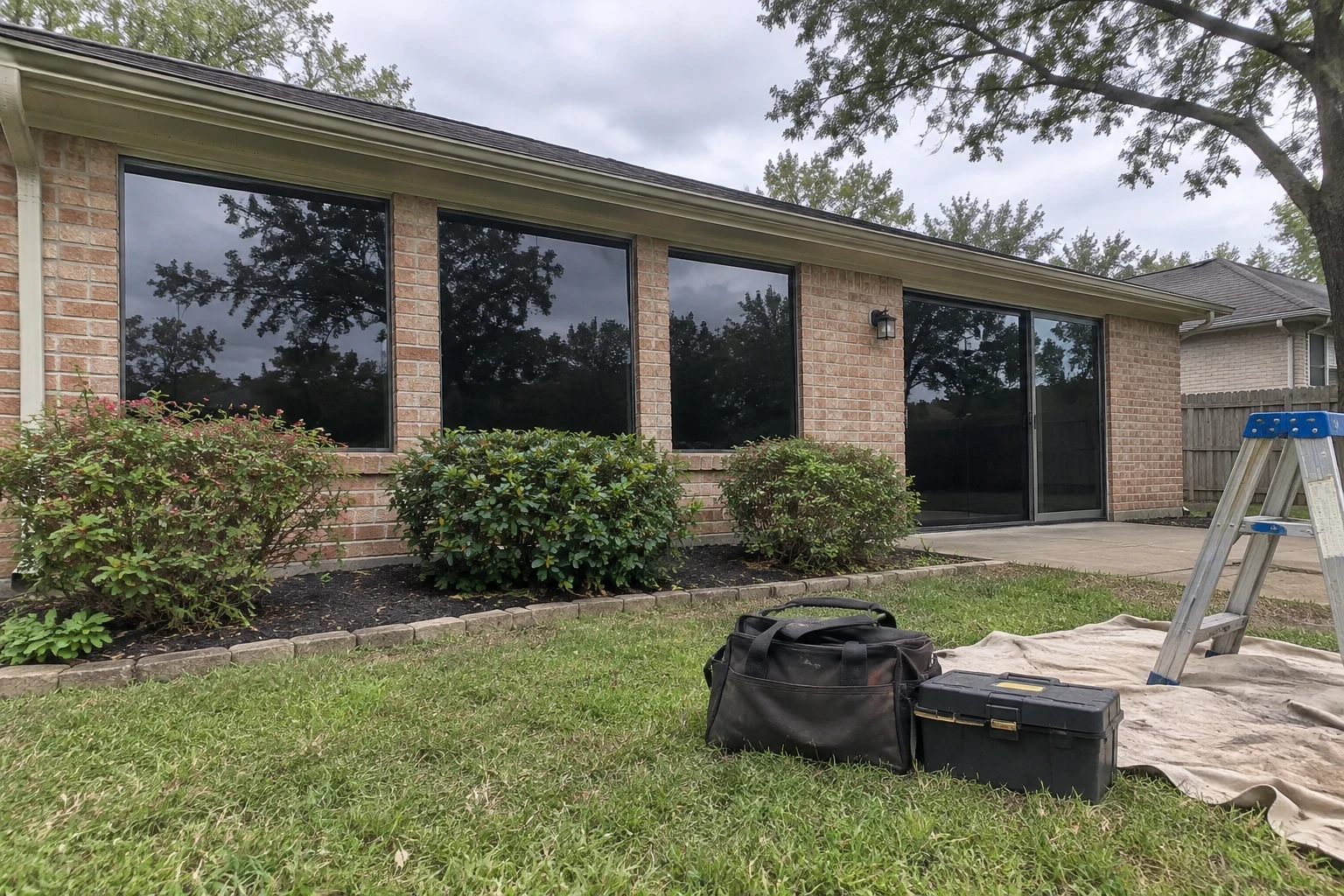
Want less heat without shiny windows?
Tell us which rooms get too hot or too bright. We'll come out, look at your glass, and show you film samples in your own light.